



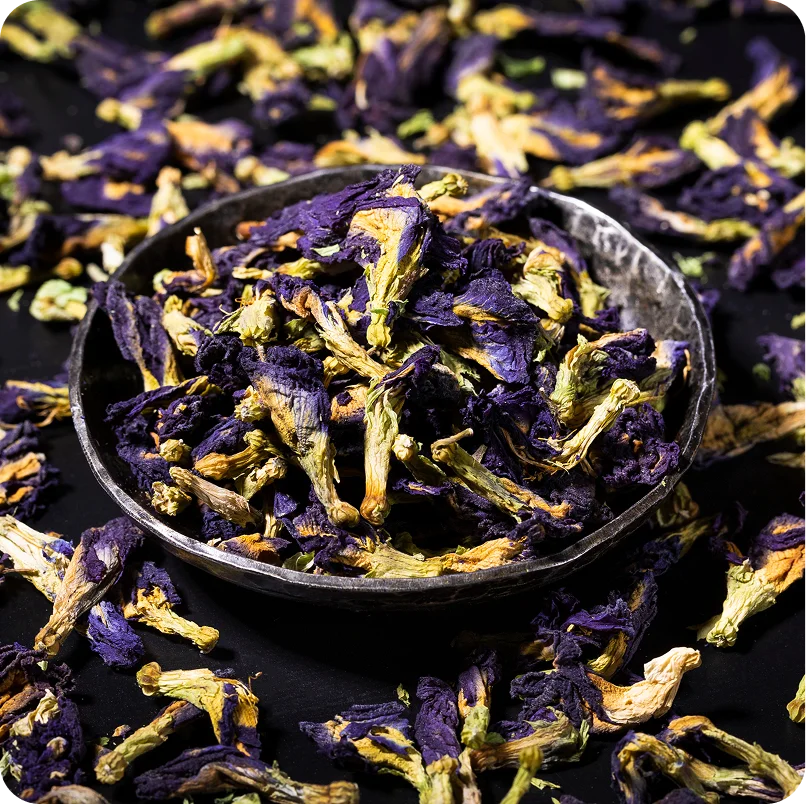
In a world of synthetic supplements and quick fixes, there is a quiet revolution happening in our kettles. We are returning to the roots—literally. Herbal infusions (tisanes) have been the backbone of natural wellness for thousands of years, offering gentle yet effective remedies for modern ailments.
From the calming fields of Provence to the spicy roots of Asia, let’s take a journey through nature’s apothecary. Here is your guide to the most essential health-promoting herbs and why you should be drinking them.
1. The Relaxers: For Stress & Sleep
Modern life is fast, but these herbs are here to help you slow down.
-
Chamomile: The undisputed king of calm. Chamomile contains apigenin, an antioxidant that binds to receptors in your brain that may promote sleepiness and reduce insomnia. It is the perfect bedtime ritual.
-
Lemon Balm (Melissa): A member of the mint family, this citrusy herb is known for lifting spirits and reducing anxiety. It’s gentle enough for children and powerful enough to help ease a tension headache.
-
Lavender: While famous for its scent, drinking lavender tea can help settle the nervous system. It pairs beautifully with chamomile for a floral, sedative blend.
2. The Healers: For Digestion & Gut Health
A healthy gut is the foundation of overall wellness. These herbs are your best friends after a heavy meal.
-
Peppermint: The menthol in peppermint acts as a natural muscle relaxant for the stomach and intestines. It is incredibly effective at relieving bloating, gas, and indigestion.
-
Ginger: Spicy and warming, ginger is legendary for fighting nausea. Whether it’s motion sickness or just an upset tummy, a strong ginger infusion stimulates digestion and warms the body from the inside out.
-
Fennel: With its sweet, licorice-like flavor, fennel seeds are excellent for reducing acidity and aiding digestion.
3. The Defenders: For Immunity & Vitality
When the seasons change and the cold weather sets in, these herbs act as your shield.
-
Echinacea: Often used at the first sign of a cold, Echinacea is believed to increase the number of white blood cells, which fight infection.
-
Elderberry: Packed with antioxidants and vitamins, elderberry is a tart, fruity herb often used to boost immune health and reduce the duration of flu symptoms.
-
Nettle: Don’t fear the sting! Once dried and brewed, Stinging Nettle is a nutritional powerhouse. It is rich in iron, calcium, and magnesium, making it a fantastic "multivitamin" tea for general vitality and allergy relief.
4. The Energizers: For Focus & Clarity
Need a boost without the coffee jitters?
-
Ginseng: A root deeply embedded in Traditional Chinese Medicine, Ginseng is prized for its ability to fight fatigue and improve concentration.
-
Yerba Mate: While technically a holly shrub, this South American powerhouse offers a robust energy kick similar to coffee, but often described as being gentler on the stomach.
-
Ginkgo Biloba: Known as the "brain herb," Ginkgo is often consumed to support memory and cognitive speed.
How to Brew Herbal Tea Properly
Unlike delicate Green or White teas, herbal teas generally like it hot and long.
-
Water: Use boiling water (100°C / 212°F).
-
Time: Cover your mug (to keep the essential oils from evaporating!) and steep for 5 to 10 minutes. Roots like ginger need even longer (10-15 mins) to release their full benefits.
A Note on Wellness
While herbs are natural, they are powerful. If you are pregnant, nursing, or on medication, always check with your healthcare provider before introducing new herbal regimens to your diet.
Ready to build your own natural medicine cabinet? Explore our curated collection of herbal blends today.

